#078: Instant Prints!
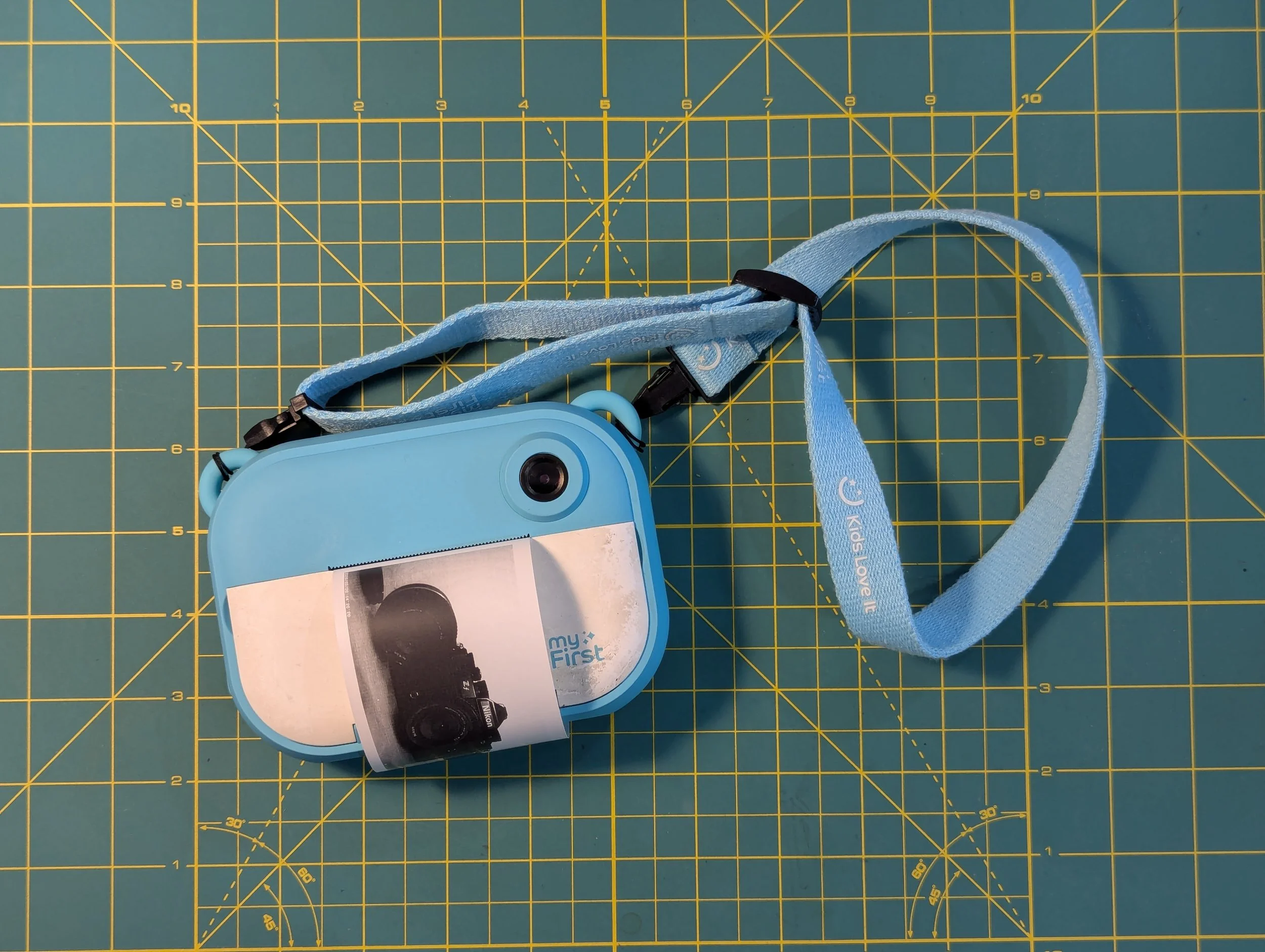
Following on from the previous blog, we brought along something different again on this year's Thailand trip - a thermal printing camera! One of those small, relatively inexpensive gadgets that prints out tiny black and white images immediately after you take them. The kind of thing that sounds gimmicky until you actually use it, and then you realise there's something genuinely fun about it.
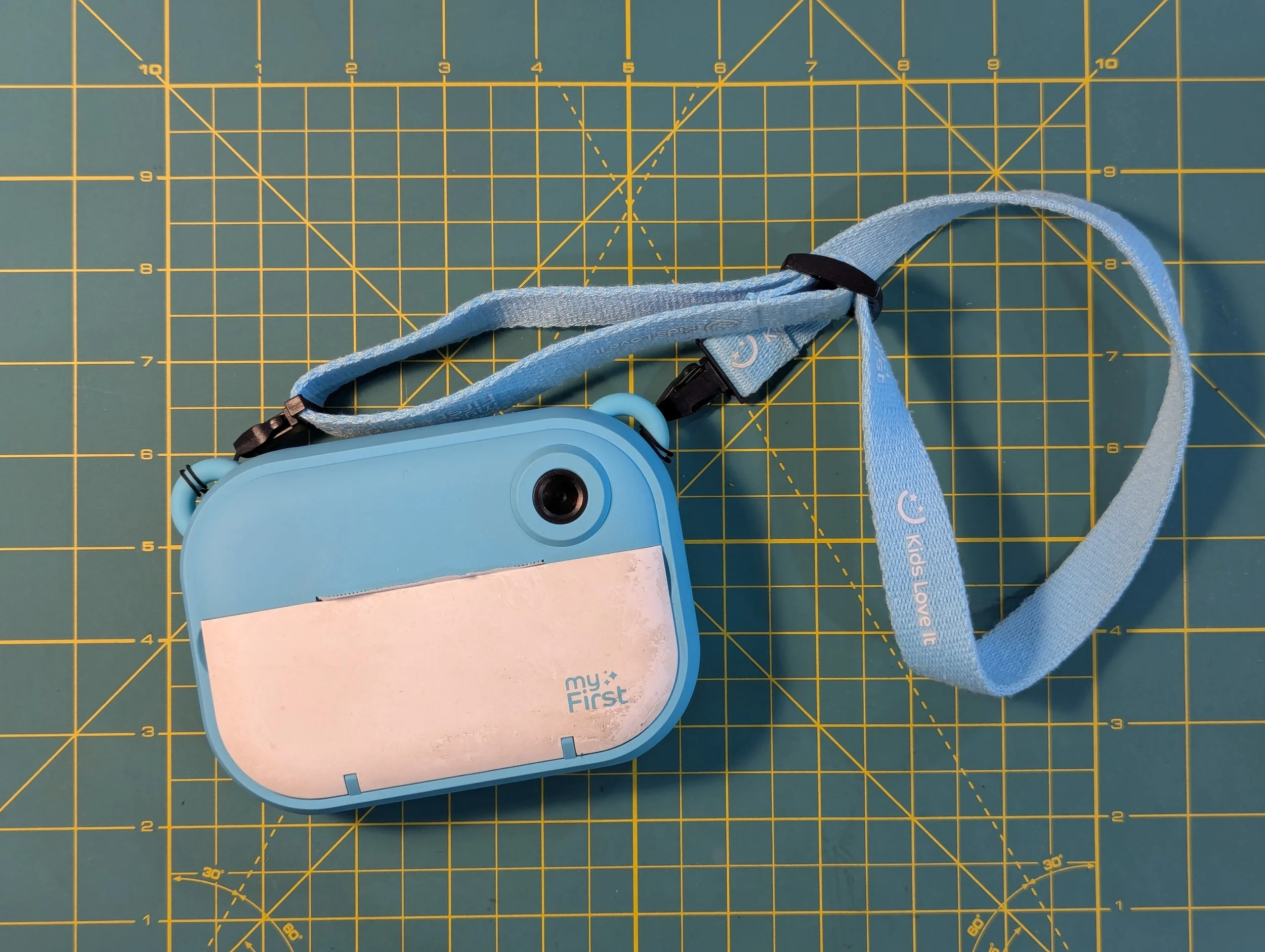
For those unfamiliar, thermal printing cameras work differently from traditional instant cameras like Polaroids. Instead of using film, they use heat-sensitive paper. The camera applies heat to specific areas of the paper, creating the image through varying degrees of darkness. No ink, no film cartridges—just rolls of thermal paper that you feed into the camera. The prints come out small, usually around 2x3 inches, in black and white with that distinctive high-contrast look. Think of old fax machines or receipt printers, but repurposed for photography.
The original plan was simple: get the kids into photography, give them a way to document their own version of the trip, and - let's be honest - keep them from constantly asking for our phones. Mission accomplished on all fronts, though I didn't anticipate how much I'd end up using it myself.
There's an immediacy to it that's different from what I'm used to. With the Nikon, I shoot, review the back of the camera maybe, then move on. The actual image doesn't materialise until later, back home, sitting in front of my laptop in Lightroom. But with this little thermal printer? You press the button, and seconds later, there's a physical object in your hand. Grainy, contrasty, decidedly lo-fi, but undeniably real.
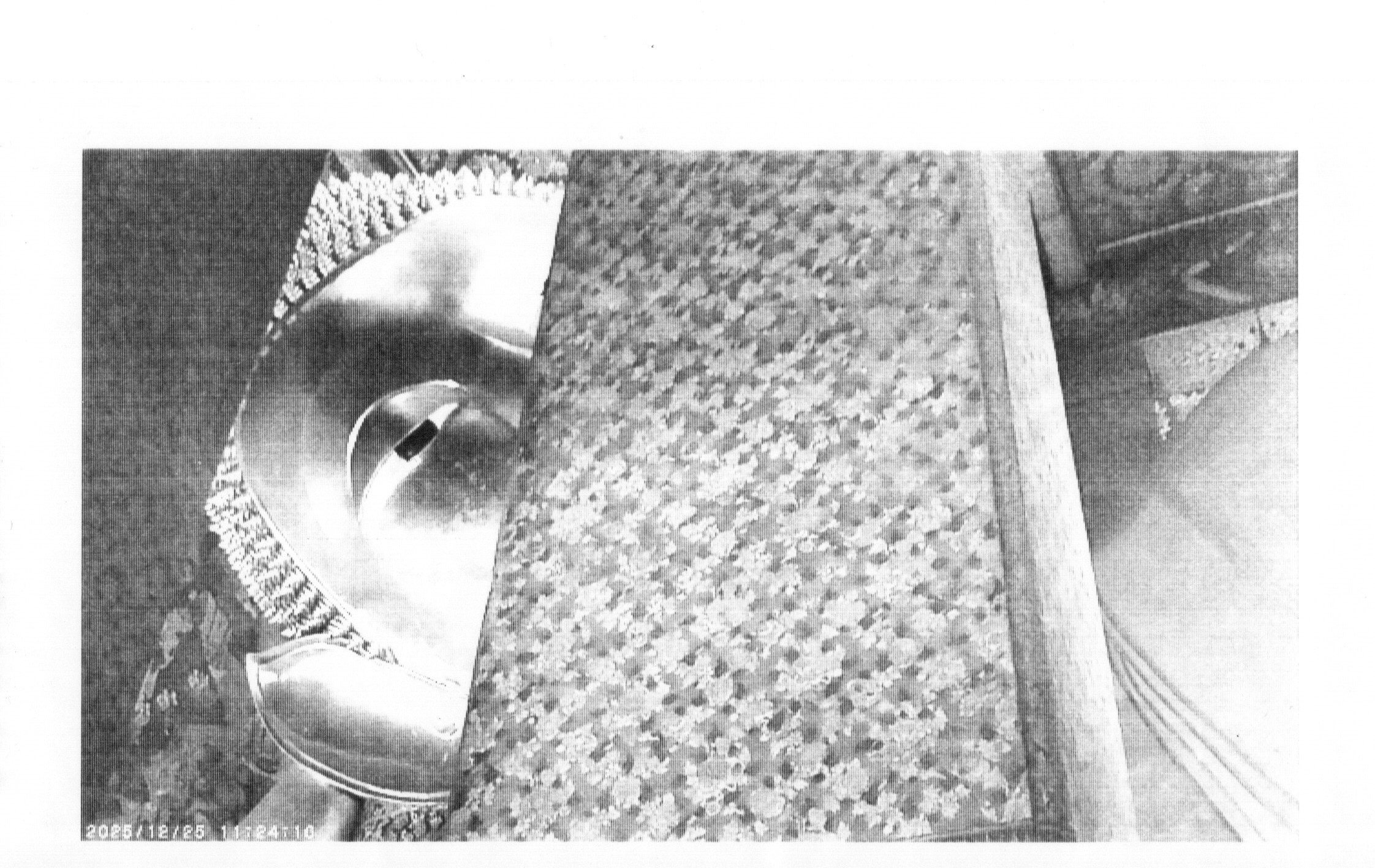
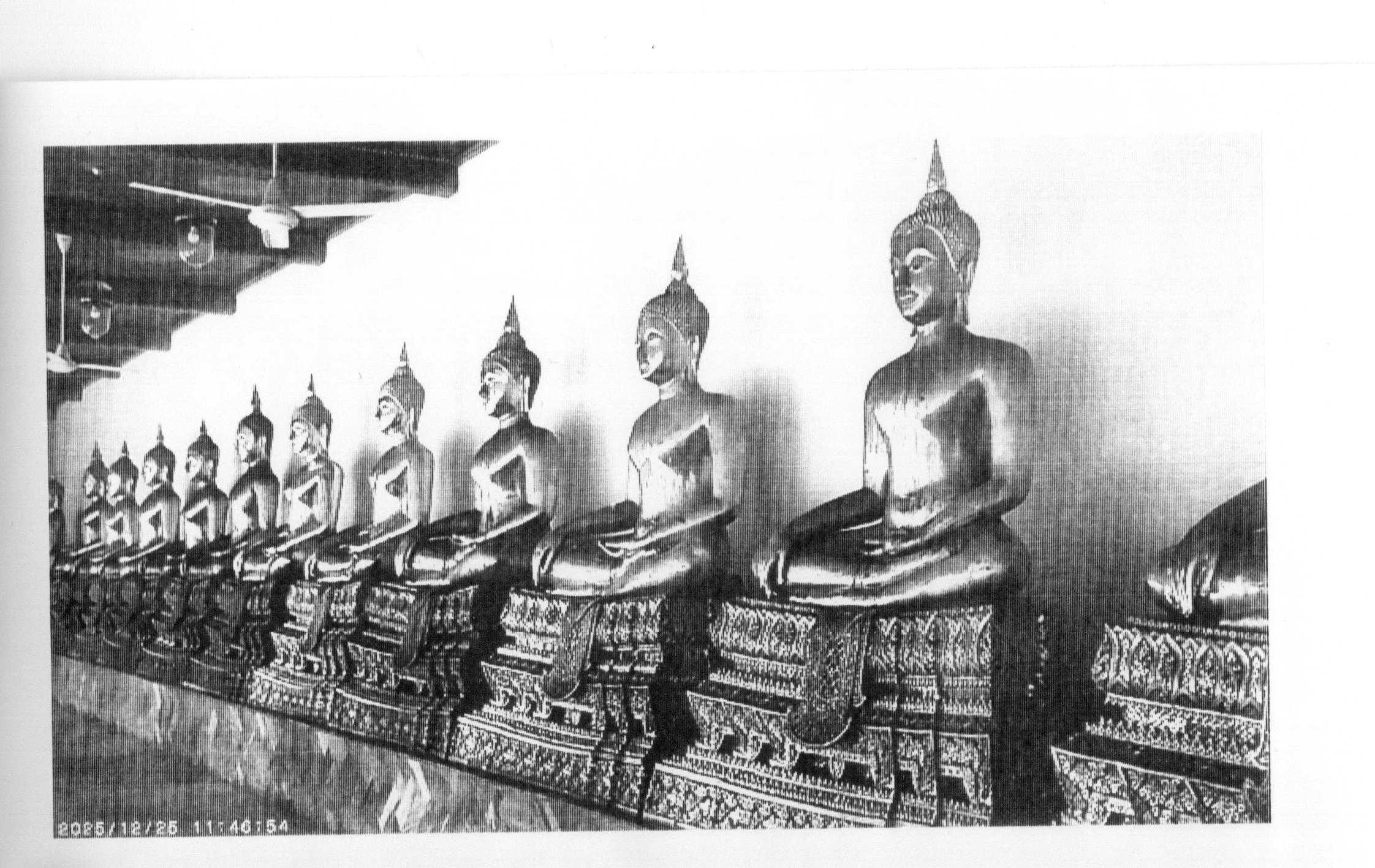
The kids loved it. Watching that image slowly emerge from the camera kept them engaged in a way that digital screens don't. They'd take a photo, wait for it to print, then immediately want to take another. It turned photography into a tangible activity rather than an abstract one. They documented temples from their perspective, which is mostly up at the ceilings and statues' feet. They photographed their food, each other, and random things that caught their attention. Their version of Bangkok looks completely different from mine, and I love that.
But I found myself reaching for it too. Not as a replacement for the main camera, but as a companion to it. A different way of seeing. The constraints are part of the appeal; black and white only, relatively low resolution, that distinctly thermal aesthetic with its heavy blacks and blown-out highlights. You can't pixel-peep. You can't obsess over sharpness. You just shoot and accept whatever comes out.
I scanned the prints afterwards to share them here, which feels a bit meta - turning analogue instant prints back into digital files. But that's the world we live in now. The physicality still mattered in the moment, even if I'm presenting them on a screen.
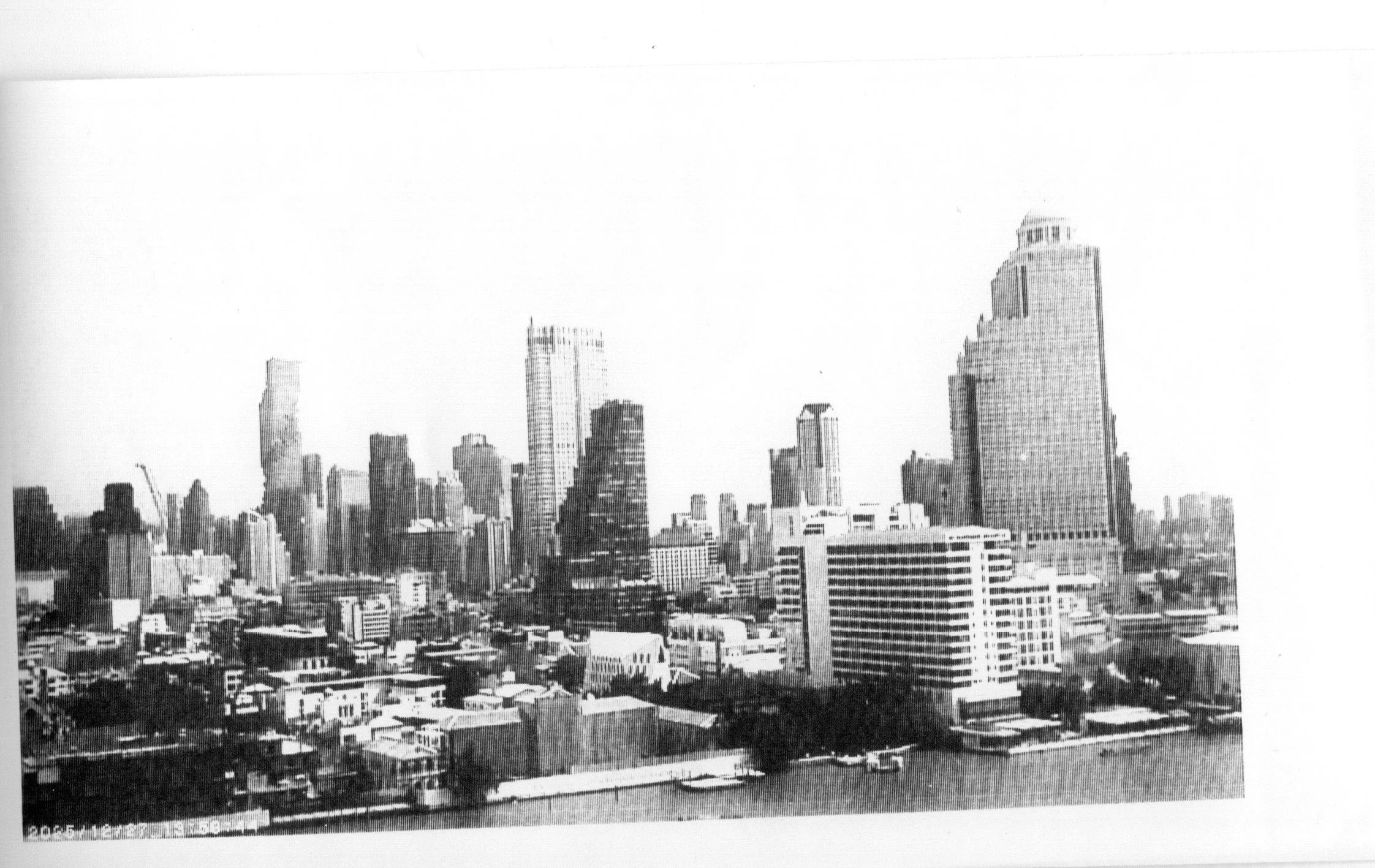
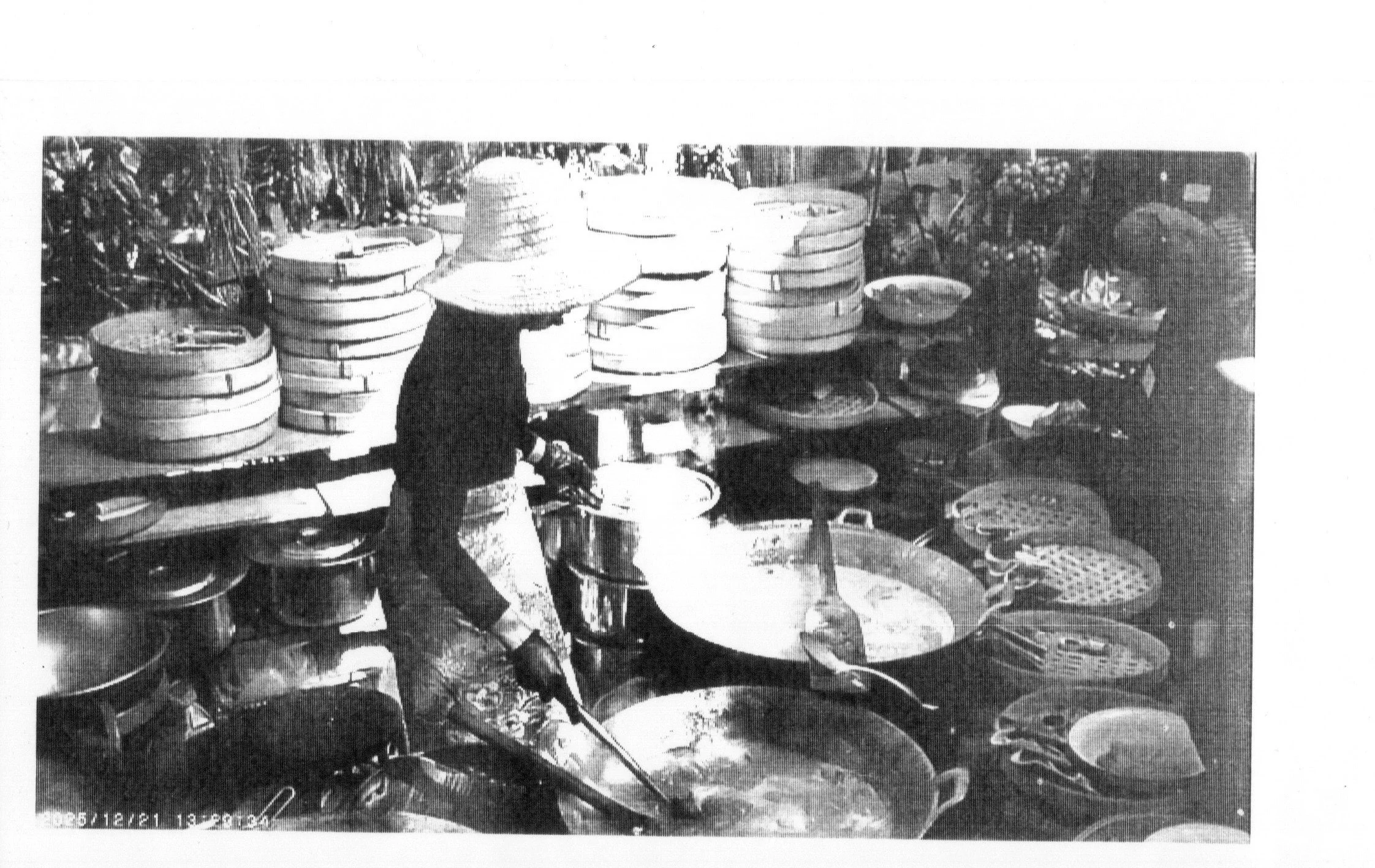
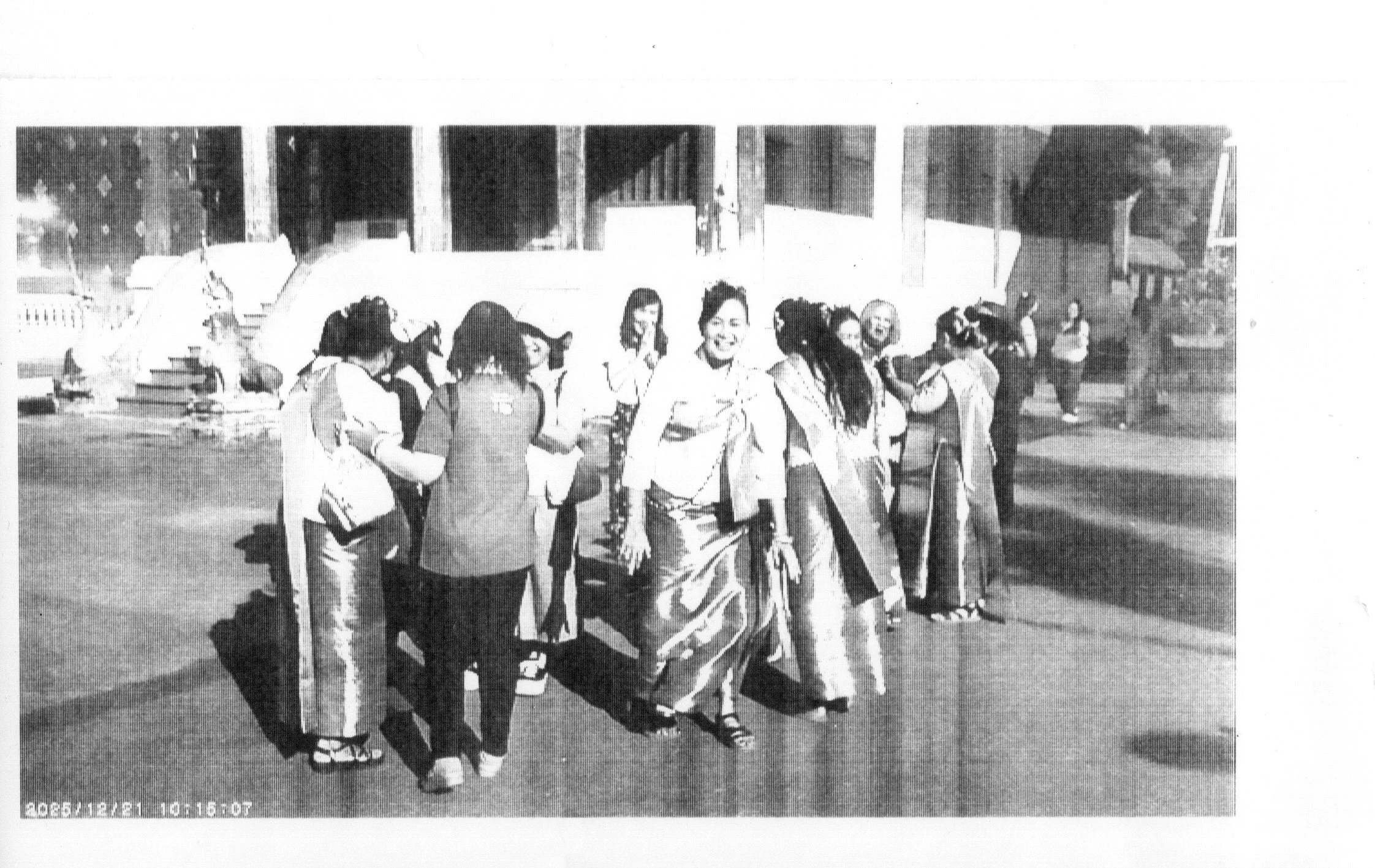
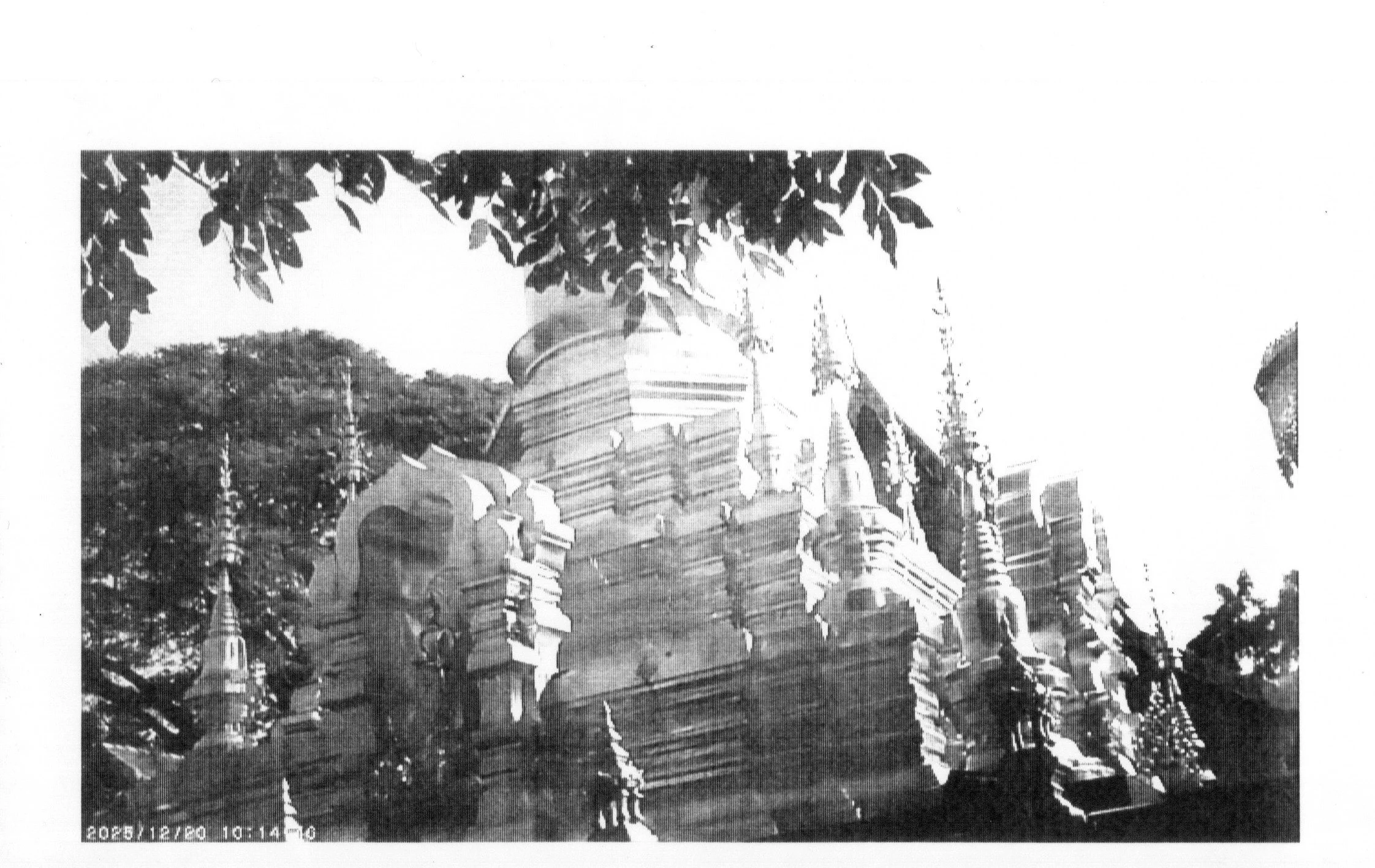
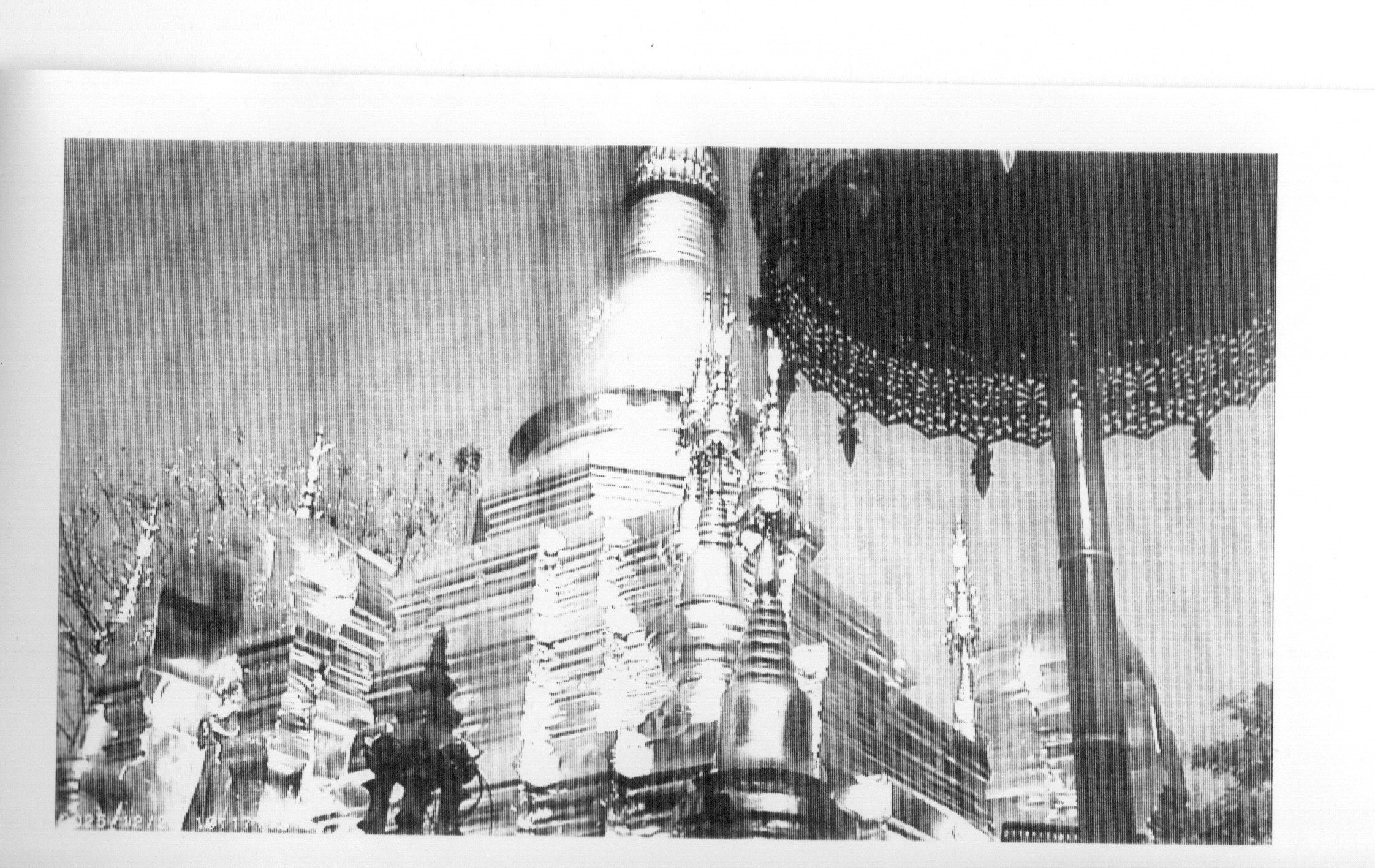
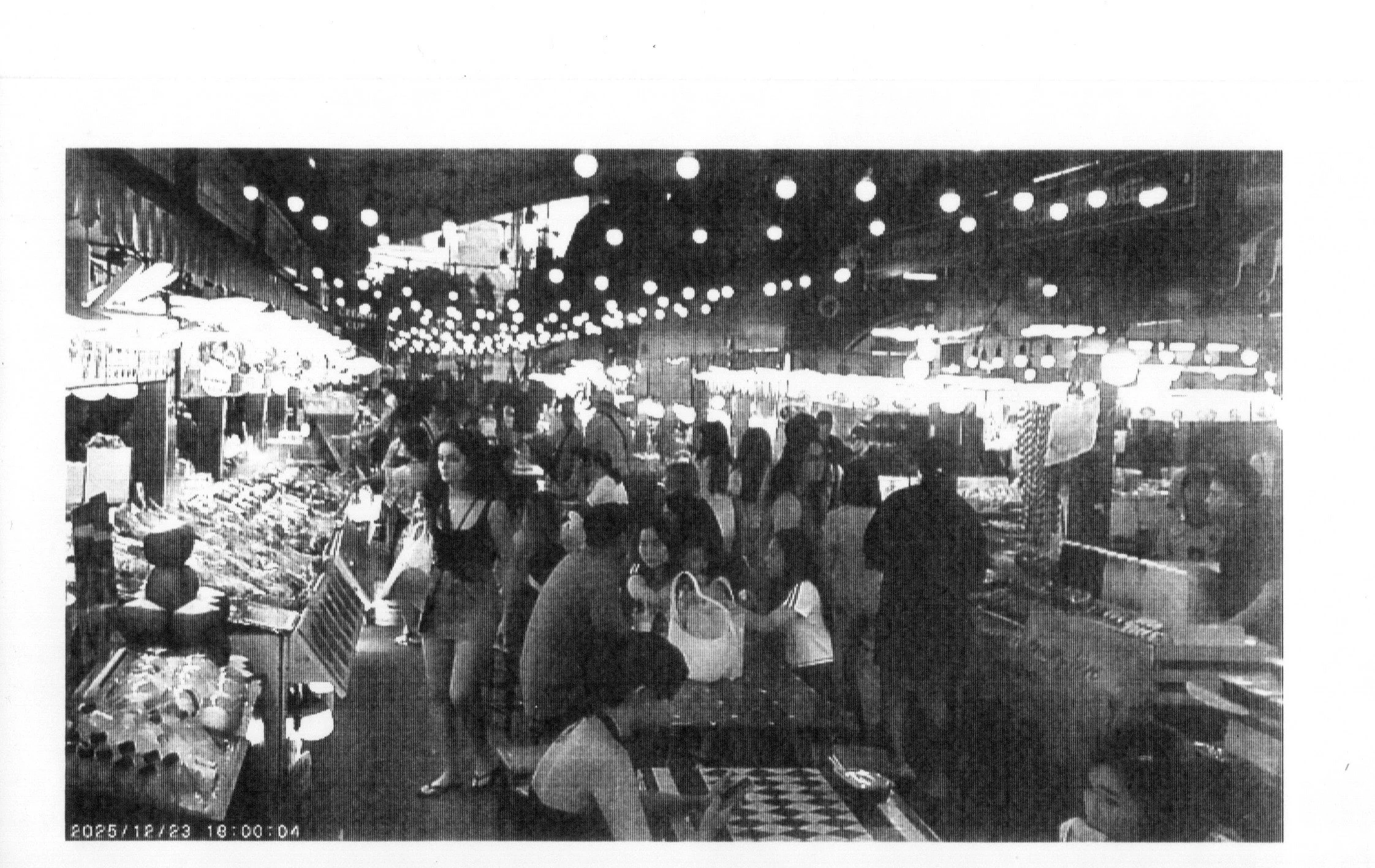
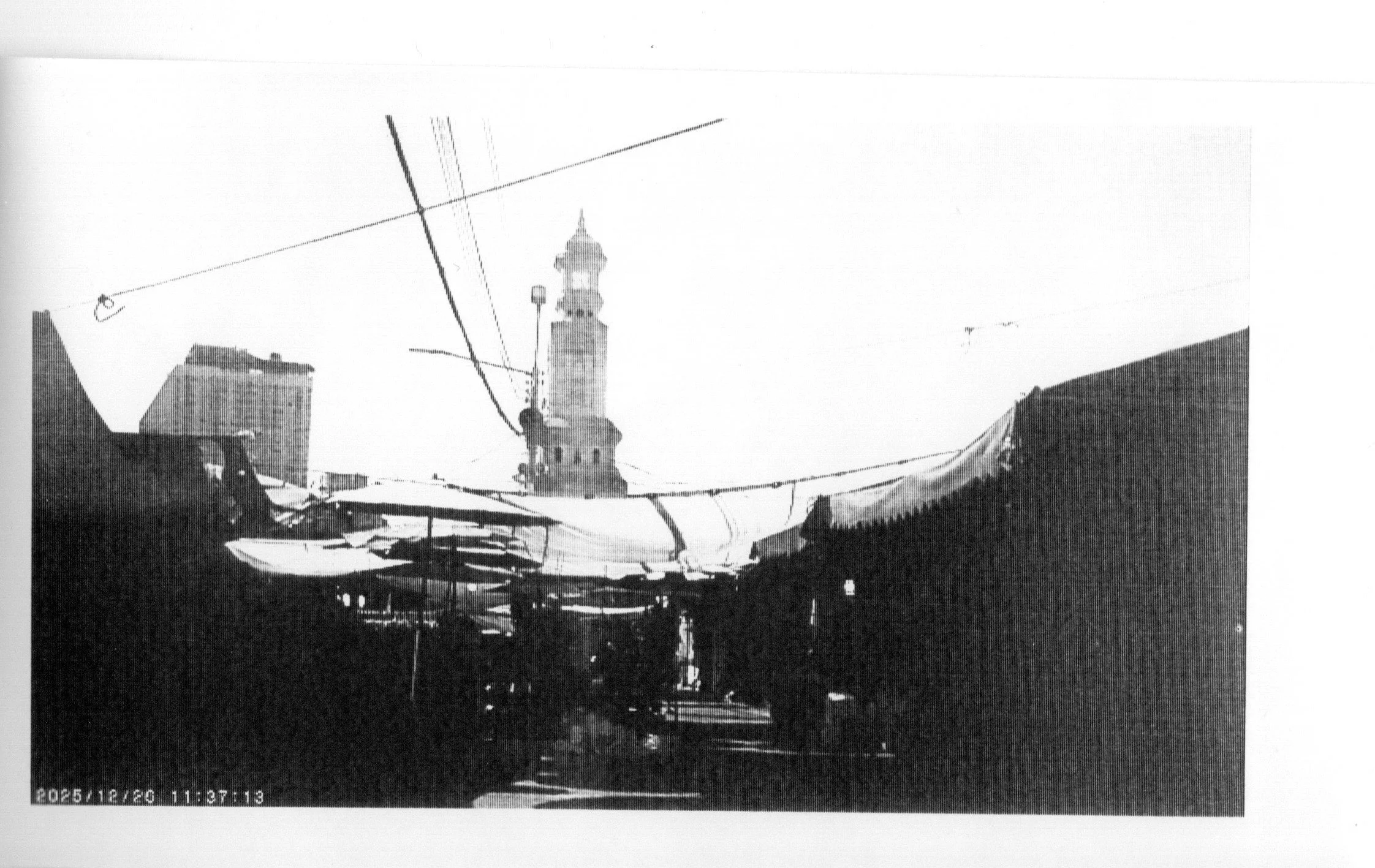
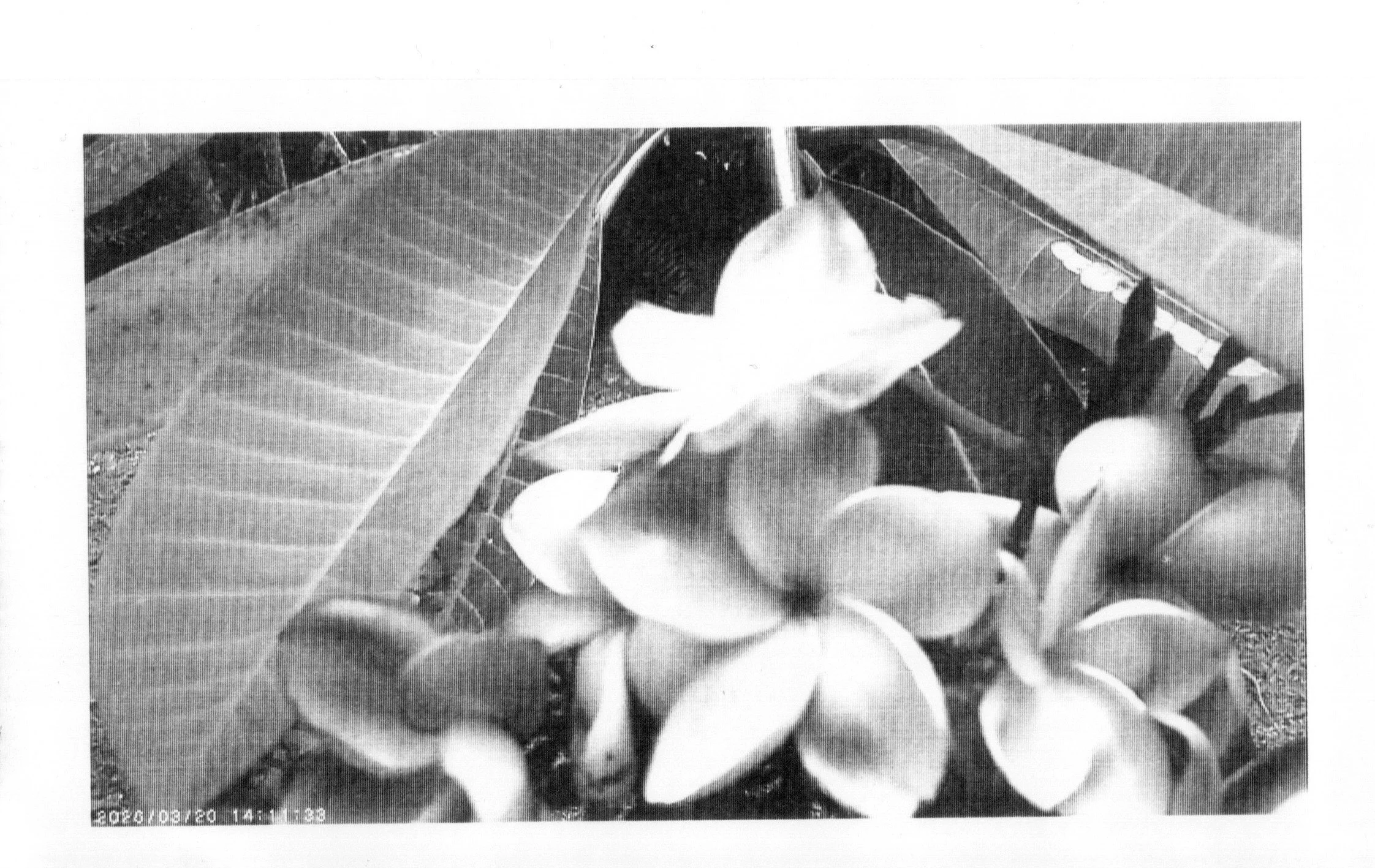
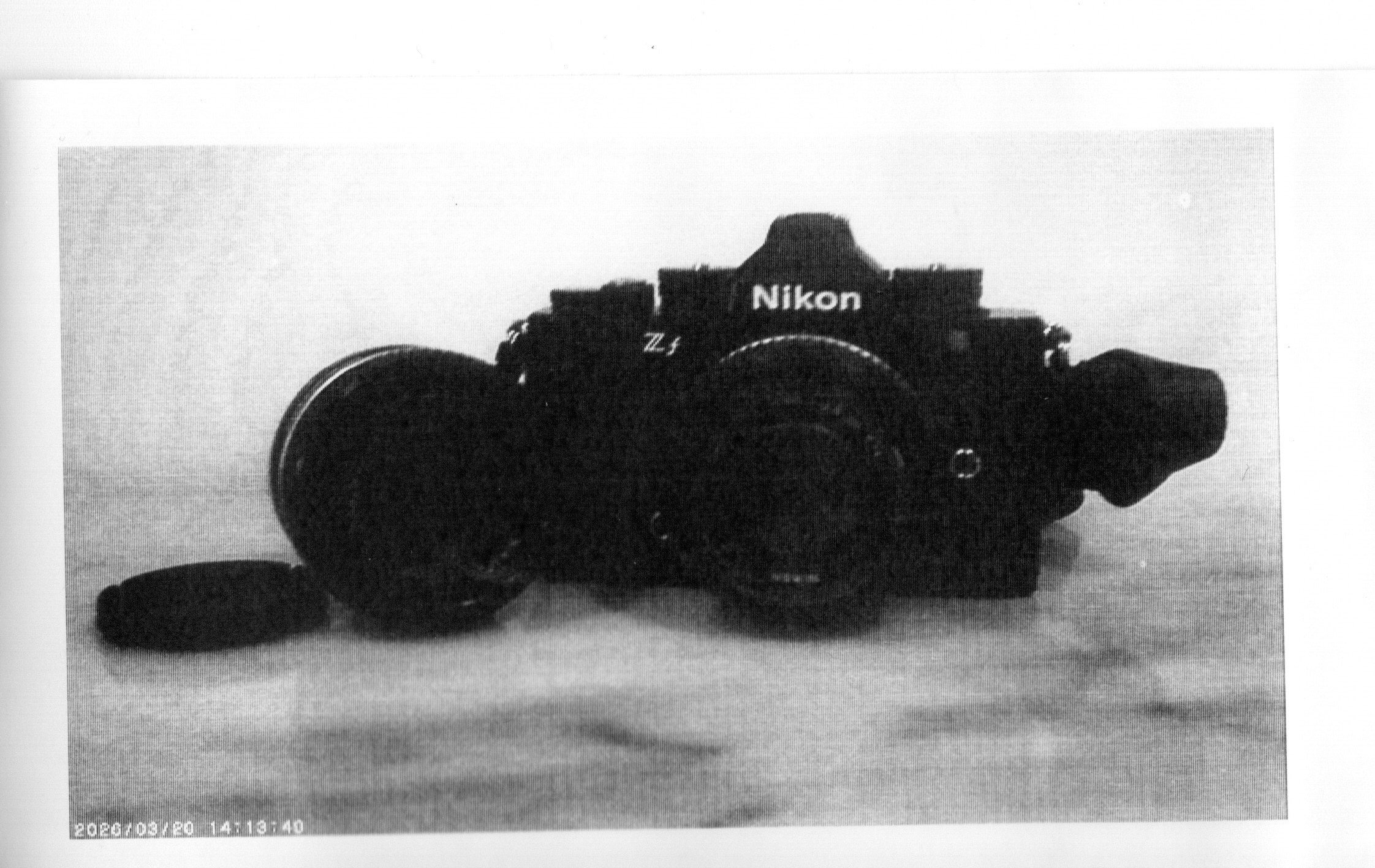
Comparing these to what I shot with the Nikon is interesting. Same locations, same moments, completely different feel. The thermal prints have this rough, almost punk aesthetic. They strip away detail and force you to focus on shape, silhouette, contrast. Street vendors become graphic compositions. Temple architecture turns into stark patterns of light and dark. The kids mid-motion blur into ghostly shapes.
It's not going to replace proper photography, obviously. But as a creative exercise? As a way to see familiar scenes differently? As a tool to get the kids engaged with image-making rather than just image-consuming? It worked better than I expected.
Plus, we came home with a stack of tiny prints that the kids can actually hold and look at without needing a device. That feels valuable in its own small way.
Here are some of the scans from our thermal printing adventures in Thailand.